
Dump Truck vs Tipper Truck: What’s the Difference?
A dump truck and a tipper truck are the same machine: a truck fitted with a hydraulic tilting body that unloads sand, gravel, soil, or rock by raising the bed and letting the load fall out the back. The only real difference between a dump truck and a tipper truck is the name, and the name changes by region.
The confusion is not trivial. When a buyer in Lagos asks for a “tipper truck,” and a supplier in Jinan quotes a “dump truck,” the buyer can reasonably worry they are being offered a different vehicle. They are not. What they should be checking instead is the specification: axle configuration, engine, emission standard, and body type.
This article clears up the terminology, explains the one place the terms genuinely split, and shows you what to confirm on a quotation so the unit that arrives is the unit you ordered.
What is a dump truck?
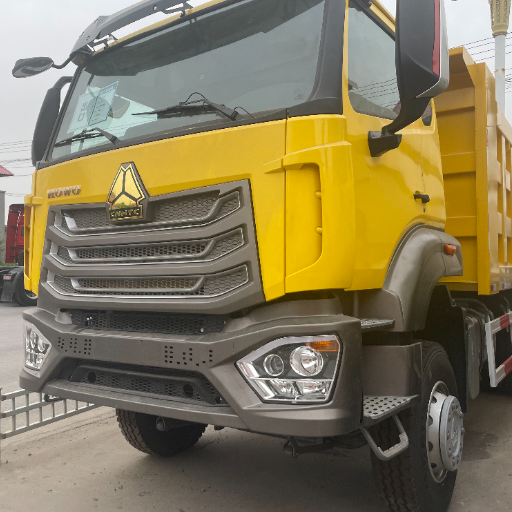
A dump truck is a truck whose cargo bed lifts hydraulically at the front so the load slides out the rear without manual unloading. It carries loose, granular material such as sand, gravel, aggregate, soil, and demolition waste.
In most of the world, the term covers the whole category, from a light 4×2 site truck to a heavy 8×4 quarry unit. The machine is defined by its job: hauling a loose load a short distance, dumping it quickly, and returning for the next load. See the range of dump trucks for sale, from light site trucks to heavy quarry units.
What is a tipper truck?
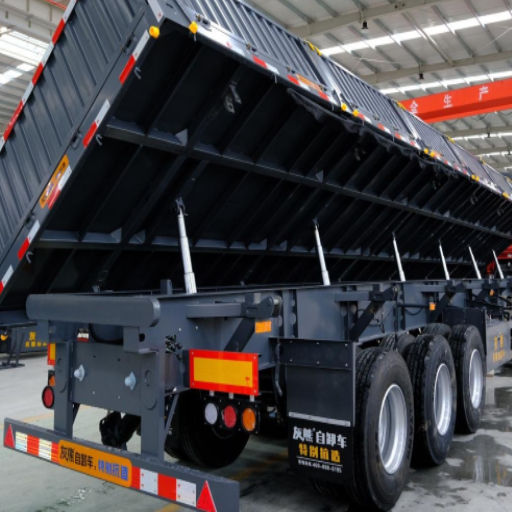
A tipper truck is the same vehicle under a different name. In the UK, India, Australia, South Africa, and much of Anglophone Africa, “tipper truck” or simply “tipper” is the everyday term for a road-going truck with a hydraulic tipping body.
A tipper may tip to the rear, to the side, or in three directions, depending on the body and the application. The mechanism and the purpose are identical to a dump truck. Only the word changes.
Dump truck vs tipper truck: the key differences
Strip away the labels and the two vehicles are the same machine. The differences that do exist are about size, road legality, and application, and they appear only in markets that use both words with different meanings.
| Factor | Dump truck | Tipper truck |
|---|---|---|
| Most common meaning | Road-going truck with a hydraulic tilting body | Same vehicle; the everyday term in the UK, India, Australia, and Africa |
| Where the term is standard | US, Canada, Middle East | UK, India, Australia, South Africa, much of Africa |
| Size, where the split exists | Often the larger, off-road or mining-grade unit | Usually the smaller, road-legal unit |
| Typical applications | Construction, quarrying, mining, heavy haulage | Urban construction, infrastructure, agriculture, waste |
Regional naming around the world
The naming map is the quickest way to cut through the confusion.
In the United States and Canada, “dump truck” is the standard, generic term, and “tipper” is rarely used. In the UK and Ireland, the road-going vehicle is a “tipper truck” or “tipper lorry,” while a small off-road machine is often called a “dumper.” In India, “tipper” and “dumper” are used almost interchangeably. Australia uses both, with “tipper” for the road-registered vehicle and “dump truck” for the large off-road unit. In the Middle East, “dump truck” is common, though “tipper” is understood.
For an importer, this means one important thing: the same 6×4 HOWO or SHACMAN can be advertised as a “dump truck” on one listing and a “tipper truck” on another. It is still the same vehicle.
The size and road-legality split
In markets where both terms are used, the split usually runs along size and where the truck is allowed to drive.
Large mining and quarry units, often rated from roughly 30 to 250 tonnes or more and too heavy to be road-legal, are called “dump trucks” or “haul trucks.” Smaller, road-legal vehicles, usually under about 30 tonnes, are called “tippers.” These road-going tippers are the ones you see carrying aggregate through a city, clearing demolition waste, or feeding a construction site.
The size split is useful, but it is not universal. Plenty of road-legal 6×4 and 8×4 vehicles are called dump trucks, and plenty of large off-road machines are loosely called tippers. Treat the size split as a guideline, not a rule.
Why the name matters when you buy a truck
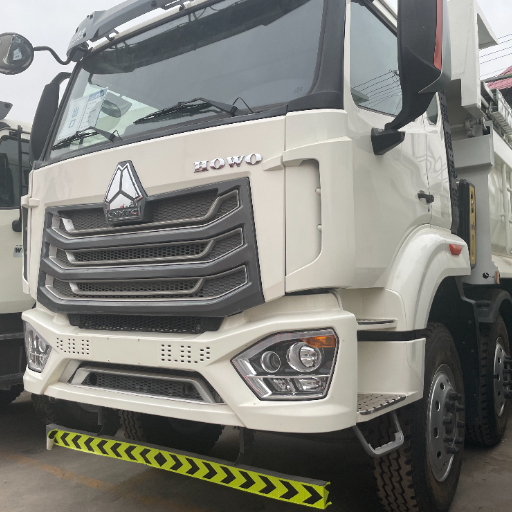
For a buyer importing from overseas, the name matters for one reason only: it can make you doubt the quotation. That doubt is wasted energy. The name does not change the vehicle, and it does not change the price. The specification does.
Tunde, an importer in Lagos, asked three suppliers for a “tipper truck” and two for a “dump truck.” Five quotations came back for the same 6×4 HOWO with a rear-tip body. The sixth came back for a smaller 4×2 unit. Tunde almost rejected the sixth quotation as a different machine. In fact it was different, but not because of the name. It was different because the axle configuration and the body were different. The lesson: read past the label and check the spec.
The name on the quotation vs the specification
When you request a quotation, the term you use tells the supplier almost nothing. A Chinese supplier sees “dump truck” and “tipper truck” as the same enquiry. What they need to quote correctly is the specification, not the name.
That is why the questions that matter are: what payload do you need, what road conditions will the truck run on, what emission standard does your country require, and what body type suits your material. Answer those, and the name on the offer is irrelevant.
What to specify instead
Instead of asking for a “dump truck” or a “tipper truck,” specify these four things. They are what determine the unit you actually receive.
- Axle configuration. 4×2 for light site work, 6×4 for most construction and quarry haulage, 8×4 for the highest payloads and steep or soft ground.
- Engine and emission standard. Match the power to your payload and grade, and order the emission standard your country requires and your fuel quality supports, for example Euro II, Euro III, or Euro V.
- Dump body type. Box, rock, or U-shaped body, with steel grade and floor thickness matched to your material.
- Destination and application. Roads, climate, and load profile decide the rest, from cooling to filtration.
A fleet operator in Tanzania running high-sulfur fuel ordered a Euro V engine out of habit. The truck could not run cleanly on the fuel available along the haul route. The name on the order was never the problem. The emission standard was.
If you send a specification like this, the quotation comes back comparable across suppliers, whatever they call the truck. Use the dump truck buying guide to work through the decisions, and ask for a configuration built around your site through custom truck solutions.
Dump truck or tipper truck: which fits your site?
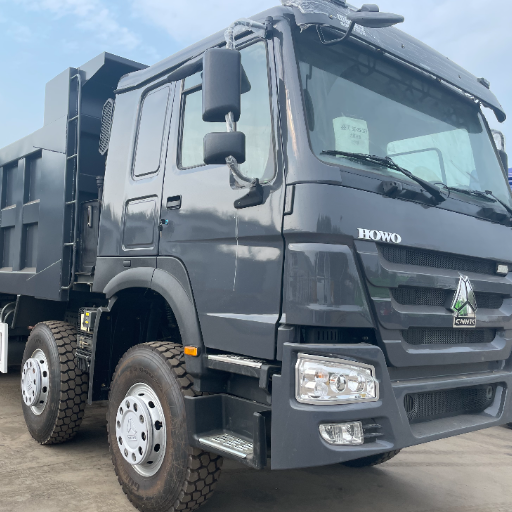
Match the machine to the job, and let the name follow.
- Construction and urban work. A road-legal 6×4 or 8×4 tipper or dump truck suits aggregate haulage, demolition, and site clearing, where the truck must travel public roads between site and source.
- Quarrying and mining. High-payload 6×4 and 8×4 units with reinforced chassis and heavy body steel suit rough, steep, unsealed haul roads. In large open-pit operations, off-road haul trucks in the 30 to 250+ tonne class take over.
- Agriculture and light haulage. A smaller 4×2 tipper suits field and farm work where loads are lighter, and roads are firm.
The right vehicle for construction trucks is not the same as the right vehicle for mining trucks. Name them whichever way your market does, but specify them for the actual site.
Buying a dump truck from China
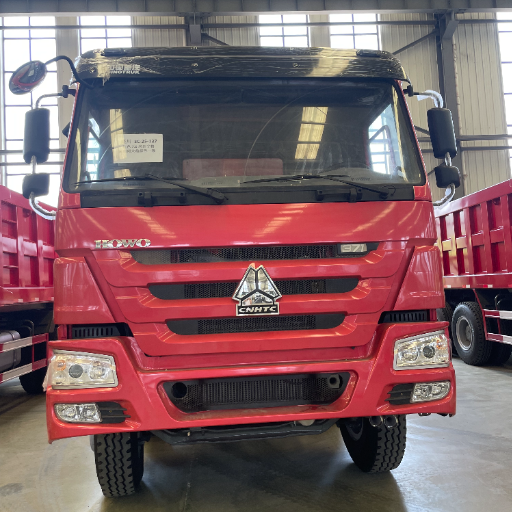
Across Chinese suppliers, “dump truck” and “tipper truck” are treated as the same category, and the brands you will see are the same: SINOTRUK HOWO, SITRAK, HOHAN, SHACMAN, BEIBEN, XCMG, and FAW. The term on the quotation will not vary the vehicle. The build will.
That means the risk in a cross-border purchase is not the label. It is receiving a unit that does not match the specification you agreed. The protection is two-fold: confirm the specification in writing, and inspect the actual unit before it ships.
Amigo Truck applies a 100% pre-shipment inspection to every vehicle. The inspection covers the engine, transmission, axles, cab, dump body, brakes, lighting, ordered options, and documentation, with photos, video, and a report supplied before shipment. You review the actual unit, not a stock image, and you check it against the specification you wrote down, line by line.
See representative models on the SINOTRUK dump truck page.
Frequently asked questions
What is the difference between a dump truck and a tipper truck?
There is no mechanical difference. A dump truck and a tipper truck are the same vehicle: a truck with a hydraulic tilting body for unloading loose material. The difference is the name, which varies by region, and in some markets a size and road-legality split.
Is a tipper truck the same as a dump truck?
Yes. In the US and the Middle East, the vehicle is usually called a dump truck; in the UK, India, Australia, and much of Africa, it is usually called a tipper truck. The machine is the same.
Why is it called a tipper truck?
Because the body tips to unload. “Tipper” describes the mechanism: the bed lifts at the front, and the load falls out the rear, the side, or in three directions, depending on the body.
Which is bigger, a dump truck or a tipper truck?
Where the terms are distinguished, “dump truck” or “haul truck” often refers to the larger off-road mining unit, while “tipper” refers to the smaller road-legal vehicle. But this split is not universal, and many road-legal 6×4 and 8×4 vehicles are called dump trucks.
Can I buy a dump truck from China?
Yes. Chinese suppliers export dump trucks and tipper trucks worldwide, including SINOTRUK HOWO, SHACMAN, BEIBEN, and XCMG. Confirm the specifications and insist on pre-shipment inspection evidence before you pay.
Does the name affect the price of the truck?
No. A dump truck and a tipper truck with the same specification cost the same. The price is set by the configuration, not by the label on the offer.