
INTERCITY · TOURIST · SHUTTLE
Ankai Buses
A9, A6, K-Series & Minibus. From 22 seats to a 69-seat coach.
Explore Ankai buses built by Anhui Ankai Automobile, a JAC Motors company with a European coach lineage from a 1993 SETRA joint venture. Match your model, engine position, and emission standard to the route and fuel quality.
- A9 Luxury intercity coach
- A6 Standard long-distance coach
- K-Series Shuttle and feeder
ANKAI BUS RANGE
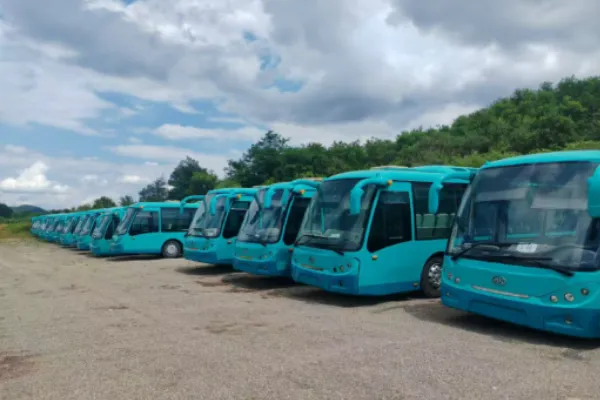
22 – 69 seats
Configured to your route
Coach, City & Minibus
From 6 m to 12 m body lengths
Yuchai · Weichai · Cummins
Engine and emission matched to your market
Inspect Before Shipment
Photos, video, and report before balance payment
Each bus is quoted by configuration. Confirm seating, engine position, emission standard, and destination compliance in your offer.
Ankai Bus Models for Your Route
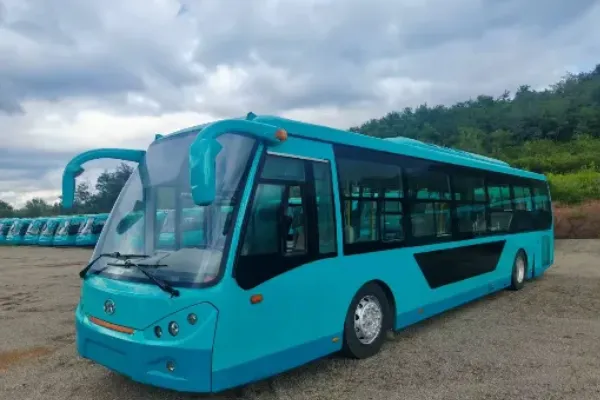
Explore the Ankai 12m diesel bus and the Ankai 6909 bus. Match your model, engine position, and emission standard to your route and fuel quality.
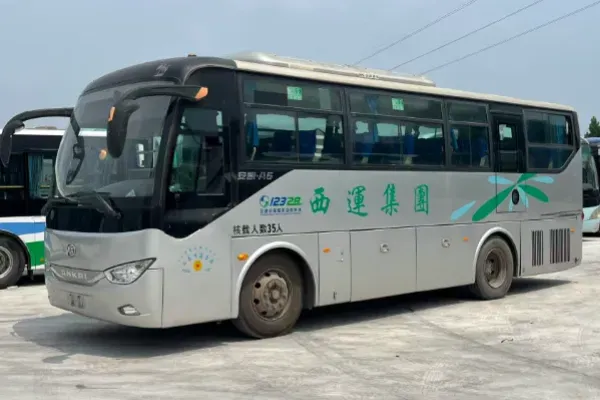
Ankai 12m Diesel Bus
A 12-metre diesel coach for intercity and tourist routes. Engine, seating, and emission standard configured to your market and fuel quality.
View Bus Details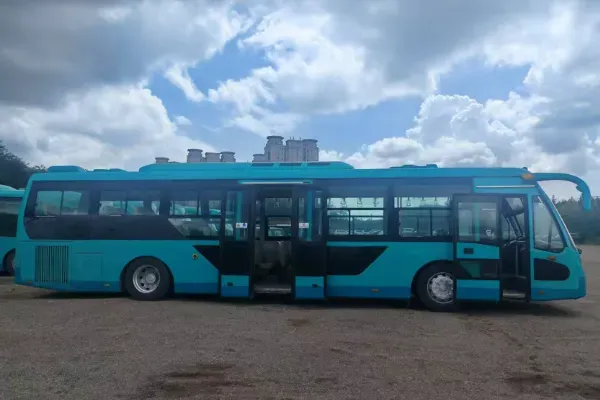
Ankai 6909 Bus
A mid-size Ankai bus for shuttle, commuter, and regional transport. Confirm seating layout, engine position, and local parts support.
View Bus DetailsSpecifications vary by model and build. Confirm engine, seating, emission standard, and destination compliance in your configured quotation.
Ankai Bus Model Range
Compare the A9, A6, and K-series. Start with your route, passenger count, and fuel quality before choosing engine power.
A9
LUXURY COACH
Premium Intercity & Tourist
Air suspension, ZF axles, and a 400 HP Cummins or Weichai engine for routes where passenger comfort is a selling point.
- Best fit Long-distance intercity and tourist routes.
- Consideration Higher purchase cost than the A6.
Seating
47–52
A6
STANDARD COACH
Long-Distance Standard
A 49+1 seat coach with a 330 HP Yuchai engine and leaf-spring suspension. A proven workhorse for scheduled services.
- Best fit Long-distance standard coach routes.
- Consideration Less cabin refinement than the A9.
Seating
49+1 (24–56)
K
SHUTTLE & FEEDER
Shuttle, Feeder & Commuter
Lighter and cheaper to run than a full coach. The K-series and HFF6700 minibus cover shuttle, feeder, and staff transport duties.
- Best fit Shuttle, feeder, and small-group transport.
- Consideration Lower passenger capacity than a full coach.
Seating
18–30
Ankai Bus Model Comparison at a Glance
| Model | Seats | Engine | Emission | Suspension | Typical Duty |
|---|---|---|---|---|---|
| A9 | 47–52 | Cummins L9 E6 C400 / Weichai | Euro VI | Air (ECAS) | Luxury intercity & tourist coach |
| A6 | 49+1 (24–56) | Yuchai YC6L330-50 | Euro V | Leaf spring | Long-distance standard coach |
| K-series | 18–30 | Yuchai / Weichai | Euro III–VI | Leaf spring | Shuttle & feeder work |
| HFF6700 | 22–23 | Yuchai YC4FA130 | Euro III | Leaf spring | Staff & small-group transport |
| G9 | 6–12 m | Diesel / electric | Euro V / EV | Air | Municipal & urban transit |
*Specifications vary by engine, emission standard, and destination-market requirement. Confirm seating, engine position, and emission standard in the model specification. Every quotation is prepared per configuration.
Choosing Between Ankai, Yutong, and King Long
Choose by your application, operating cost, and local support—not the badge alone.
Match the Bus to the Route
Passenger count, road conditions, and fuel quality point to the model, the engine position, and the emission standard.
Answer the three questions before choosing a badge.Confirm Engine Position
A front-engine Ankai and a rear-engine Yutong are different machines for different roads. Confirm which configuration you are being quoted.
Engine position matters more than brand.Check Parts Before Ordering
Ankai’s parts network is thinner than Yutong’s or King Long’s in some markets. Confirm local availability before you specify.
We supply original parts and advise on local stock.Which Brand Fits Your Priorities?
| Brand | Consider When |
|---|---|
| Ankai Rising coach brand | Coach comfort and value matter. The A9 carries genuine European coach DNA, air suspension, and a Cummins or Weichai driveline. |
| Yutong Volume leader | Parts availability and installed-base density dominate. Yutong has the deepest parts network of the three. |
| King Long Export runner-up | A close alternative when parts availability and installed-base density matter more than coach comfort positioning. |
Spec beats badge. Fuel economy and reliability come from the engine family, emission standard, and transmission—compare build sheets, not marketing descriptions.
Explore Spare Parts SupportWhat Affects the Price of an Ankai Bus?
Every bus is quoted to its configuration. Compare the full vehicle and shipping scope.
-
Model & Seating Capacity
A 22-seat minibus, a 51–53-seat diesel coach, and a 12-metre luxury A9 all carry different price ranges.
-
Engine & Emission Standard
Yuchai, Weichai, and Cummins engines, and Euro II–VI compliance, change the vehicle price.
-
Transmission & Suspension
A ZF EcoLife automatic and air suspension add cost over a 6-speed manual and leaf-spring setup.
-
Customization & Options
RHD builds, front-engine configurations, and seating layouts are confirmed to the destination market.
-
Shipping Method & Destination
Ro-Ro, container, or breakbulk costs depend on the bus, route, and destination port.
Get a Price for Your Configuration
As a reference, a new 22-seat minibus is commonly listed around USD 20,900 FOB, a new 51–53-seat diesel coach from about USD 50,000 to USD 100,000, and a 12-metre luxury A9 in the region of USD 129,000. Send your route, passenger count, and destination port for a configured quotation, typically within about 24 hours.
Buying and Shipping an Ankai Bus from China
Review the unit being supplied, confirm your specification, and prepare delivery to your destination port.
See the Unit Before You Pay the Balance
Every unit undergoes pre-shipment inspection. Check the bus against your ordered configuration before it leaves China.
- Engine & transmission
- Suspension & axles
- Body & seating
- Lighting & ordered options
- Documentation
Your inspection evidence
Photos, video, and an inspection report sent before balance payment and shipment.
Shipping & Export Documentation
Buses commonly ship by Ro-Ro, container, or breakbulk depending on the vehicle and destination port.
- Ro-Ro
- Container
- Breakbulk
Documents for your customs broker
Commercial invoice, bill of lading, certificate of origin, and packing list.
-
Consultation
Tell us the route, passenger count, destination port, and fuel quality.
-
Review Inspection Evidence
Check photos, video, and the report before balance payment.
-
Customize & Ship
Confirm emission, engine position, seating, and shipping method.
Practical Support. From Specification to Delivery.
Get the right configuration, review your bus before shipment, and plan delivery with a clear scope.
Configured for Your Route
Match the model, engine position, emission standard, and seating to your route, passenger count, and local fuel quality.
Your application comes firstSee the Bus Before Shipping
Review photos, video, and an inspection report covering the engine, transmission, suspension, body, brakes, and ordered options.
Review the unit being suppliedClear Export & Shipping Support
Confirm the shipping method, freight scope, expected timeline, and export paperwork for your port.
Plan delivery before orderingParts & Maintenance Planning
Arrange original spare parts and consumables, and check local Ankai service support before you buy.
Support beyond the shipment
YOUR QUESTIONS, ANSWERED
Ankai Bus FAQ
Compare bus lines, configurations, pricing, shipping, and after-sales support.
Discuss Your Requirements1 How much does an Ankai bus cost?
There is no fixed price, because the model, seating, engine, emission standard, and destination all change the figure. A new 22-seat minibus is commonly listed around USD 20,900 FOB, a new 51–53-seat diesel coach from about USD 50,000 to USD 100,000, and used coaches from about USD 6,000 to USD 47,000. Send your route, passenger count, and destination port, and you receive a configured quotation, typically within about 24 hours.
2 What is the difference between the Ankai A6 and A9 coaches?
The A6 is the standard long-distance coach at 49+1 seats with a 330 HP Yuchai engine and leaf-spring suspension. The A9 is the luxury coach with air suspension (ECAS), ZF axles, a 400 HP Cummins or Weichai engine, and Euro VI compliance.
3 Is Ankai better than Yutong or King Long?
For coach comfort and value from a rising brand, Ankai is a strong choice. Yutong and King Long usually win on parts availability and installed-base density. Confirm the engine position and compare build sheets, because those matter more than the badge.
4 What emission standards are available on Ankai buses?
Ankai buses are offered from Euro II through Euro VI depending on the model and destination. The right standard depends on your local fuel quality. A Euro V or VI unit needs low-sulfur diesel. In regions with high-sulfur fuel, an earlier Euro II or Euro III build with simpler injection is often the more serviceable choice.
5 How long does it take to ship an Ankai bus from China?
Transit time varies by route and shipping method, Ro-Ro, container, or breakbulk. We confirm the expected timeline with your quotation rather than promising a fixed date.
6 Are Ankai spare parts available in my market?
Parts availability depends on your local network, and Ankai’s network is thinner than Yutong’s or King Long’s in some markets. We supply original parts and consumables for Ankai vehicles and advise on local availability before you specify.
CONFIGURED TO YOUR ROUTE
Get Your Ankai Bus Configured
Start with the specification. Share your route, passenger count, and destination port, and we’ll recommend the right model, engine position, and emission standard for your operation.
- Passenger Count
- Road Conditions
- Fuel Quality
- Destination Port
YOUR CONFIGURED OFFER
A9
A6
K-Series
Coach or minibus · Matched to your route
Request a QuotationTypically within about 24 hours
Review photos, video, and inspection evidence
before shipment.