
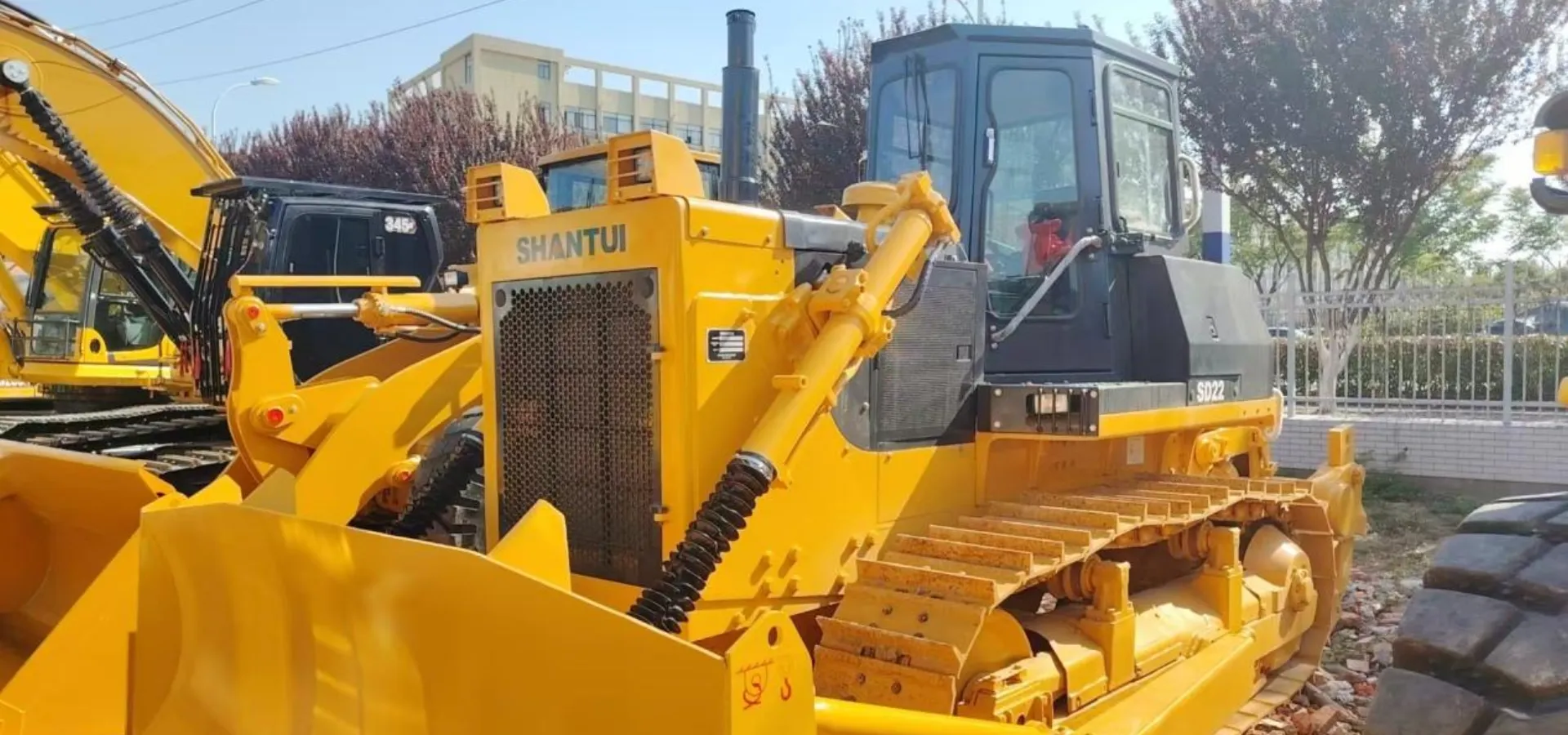
Excavators & Bulldozers for Sale
Two machine types, matched to your job and your parts network. Start with the category that fits the work.
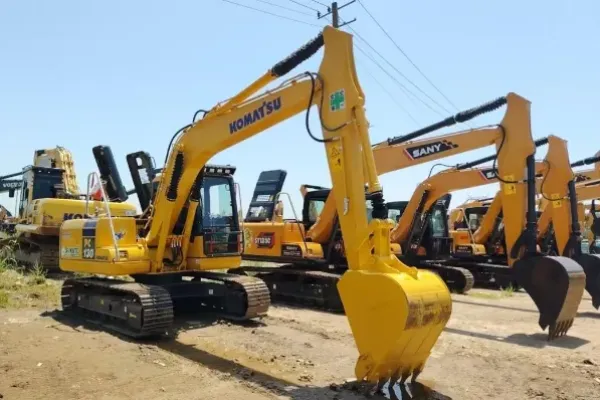
Excavators for Sale
CAT, Komatsu, and Doosan excavators from 5.5 to 45 tonnes. Crawler and wheeled variants for digging, trenching, and truck loading on construction, quarry, and mining sites.
Explore Excavators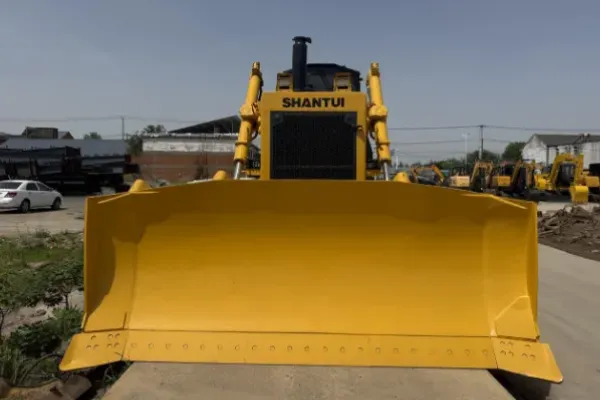
Bulldozers for Sale
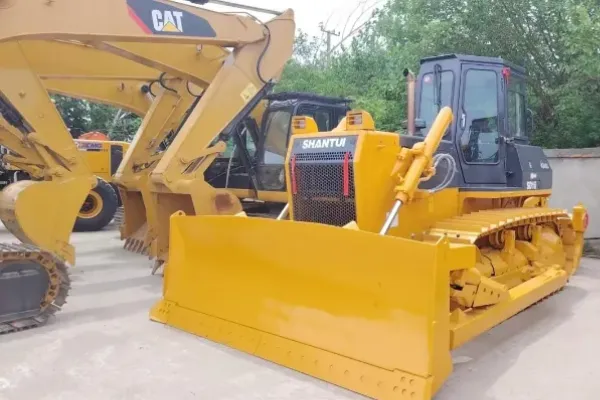
Shantui crawler dozers from 162 to 320 HP. SD16, SD22, and SD32 cover site clearing, grading, ripping, and haul-road maintenance without a premium badge price.
Explore Bulldozers
NEED HELP CHOOSING?
Start with Your Job. We’ll Match the Machine.
Tell us your application, ground conditions, haul fleet, and destination port. We’ll recommend the machine type and operating weight that fits.
- New and used options
- Pre-shipment inspection
- Export and shipping support
What Is Heavy Equipment? Excavator vs Bulldozer
Two machines, two jobs. Buying the wrong one means a parked asset. Start with the machine type, then size the operating weight.
DIG & LOAD
Excavator
A hydraulic digging and loading machine. The upper structure rotates 360 degrees, so it digs and dumps without repositioning tracks.
- Digging & trenching Foundations, drainage, utility work.
- Truck loading Bucket capacity scales with operating weight.
- Attachment work Hydraulic hammer for breaking and demolition.
Typical duty
Earthmoving, trenching, truck loading on construction, quarry, and mining sites.
PUSH & GRADE
Bulldozer
A track-driven pushing and grading machine. The blade cuts and spreads material; the ripper fractures hard ground before excavation.
- Site clearing Grading, spreading, and leveling ground.
- Ripping Breaks compacted earth and soft rock.
- Haul-road maintenance Keeps stockpiles and haul roads level.
Typical duty
Site preparation, grading, ripping, and haul-road work.
UNDERCARRIAGE
Crawler vs Wheeled Excavator
Most export excavators are crawler machines. Tracks spread weight for soft ground and slopes. Wheeled units move between sites under their own power.
- Crawler Traction on soft ground and stability on slopes.
- Wheeled Road mobility for contractors working across several short-term jobs.
- Trade-off Wheels for mobility, tracks for ground pressure and grip.
Selection priority
Match the undercarriage to your ground conditions and how often the machine moves between sites.
How to Choose Heavy Equipment
Buying the right machine is a specification decision before it is a price decision. Three checks in order will get you there.
Match the machine type to the job
Digging, trenching, or loading trucks means an excavator. Clearing, grading, or pushing means a bulldozer. Many sites need one of each — we can quote them as a package.
Size the operating weight to the haul fleet
A 20-tonne excavator loads a dump truck in a set number of passes. A 40-tonne machine means fewer passes but higher fuel and transport cost. Match the machine to the trucks, not the other way round.
Match the brand to your parts network
The cheapest machine becomes the most expensive when it sits parked waiting on a part. Confirm local service before you confirm the brand.
New vs Used Heavy Equipment for Sale
Both work — the difference is how you manage risk. Every used unit follows the same pre-shipment inspection standard as new equipment.
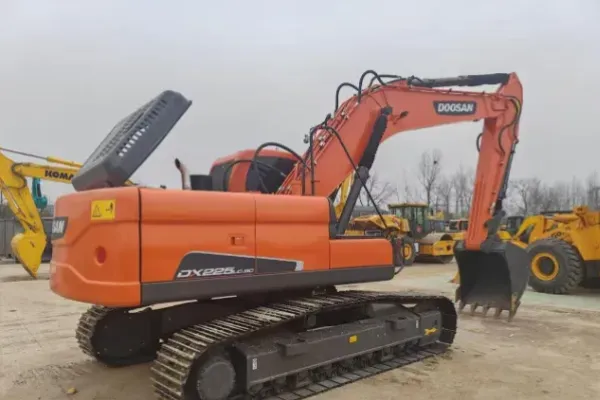 NEW EQUIPMENT
New Heavy Equipment
Current specification, full warranty, and zero operating hours. You pay more upfront and wait on production, with exact configuration for your market.
- Current specification and full warranty
- Zero operating hours and consistent fleet specs
- Parts and service terms agreed upfront
Choose new when
You prioritize long-term operation and exact specifications, with budget for a higher initial investment.
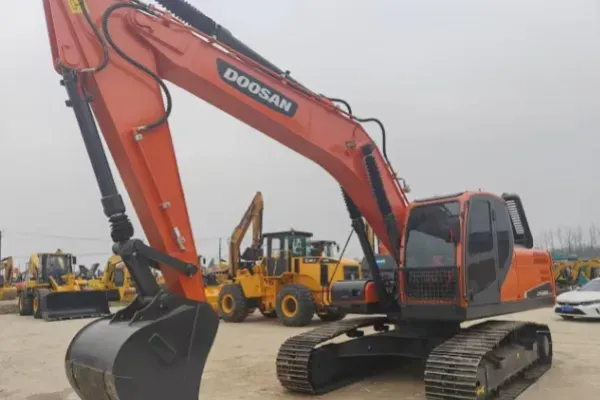 INSPECTED USED EQUIPMENT
Used Heavy Equipment
Lower entry cost, but the risk sits in the engine, hydraulics, and undercarriage. We inspect every used unit and send you the evidence before anything ships.
- Lower capital outlay than comparable new equipment
- Engine, hydraulics, undercarriage, and hours checked
- Photos, video, and a written inspection report
Choose used when
You prioritize purchase cost or standby capacity, with condition and expected maintenance checked before committing.
Different Purchase Options. The Same Inspection Standard.
Engine, hydraulics, undercarriage, structural condition, and recorded hours. Receive photos, video, and the report before shipment.
Heavy Equipment Applications
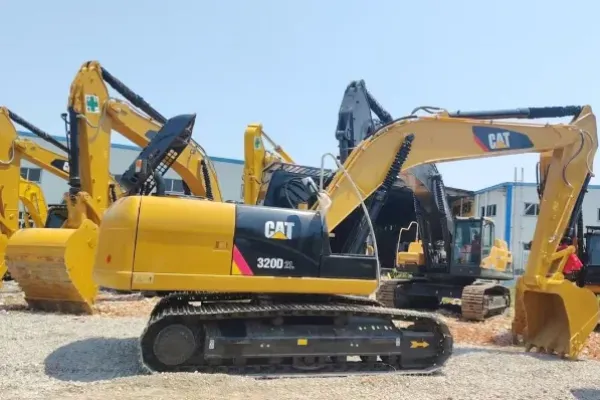
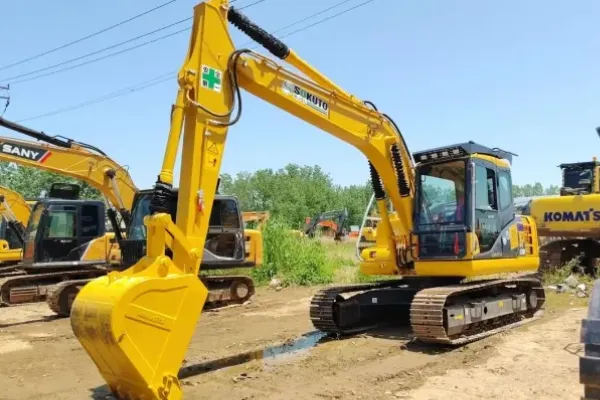
The right machine changes with the site. Different jobs call for different configurations.
Shipping and Parts Support
Heavy equipment ships differently from trucks. We select the method that fits the machine and prepare the documentation your broker needs.
Shipping Methods
Excavators usually travel on a flat-rack container or by breakbulk vessel. Compact machines can move by Ro-Ro.
We match the method to the machine’s dimensions, weight, and your destination port, then prepare the export documentation your customs broker needs.
Parts & Service Support
A machine only earns when it runs, and it only runs when parts are available locally. We advise on parts availability before you specify, and supply original parts and consumables after delivery.
Confirm your local service network before you confirm the brand.
Because we also supply trucks and trailers, you can order the dump trucks
your excavator loads on the same shipment — one supplier, one documentation
set, one point of contact.
How Buying Heavy Equipment from China Works
A five-stage process so you know what you are getting at every step.
-
CONSULTATION
Consultation
You tell us the application, ground conditions, haul fleet, and destination port. We confirm the machine type and size that fits.
-
CUSTOMIZED QUOTATION
Customized Quotation
We build a quotation around the exact configuration — machine, brand, operating weight, and shipping method — not a bare listing price.
-
INSPECTION
Pre-Shipment Inspection
Every unit, new or used, passes an inspection covering the engine, hydraulics, undercarriage, structure, and recorded hours.
Photos Video Inspection Report -
CUSTOMIZATION
Customization
Where the site needs it, we adjust configuration and attachments before the machine ships.
-
SHIPPING
Shipping
We prepare the export documentation and move the machine by flat-rack container, Ro-Ro, or breakbulk to your destination port, with tracking along the way.
Nothing ships until you have the inspection report in hand. The unit that arrives at your port is the unit you approved.
Excavator and Bulldozer Operating Weight Guide
Operating weight is the single most useful specification for sizing a machine. It drives bucket capacity, digging depth, fuel burn, and how the machine is shipped.
Machine Type Comparison
| Machine | Main Function | Undercarriage |
|---|---|---|
| Excavator | Dig, trench, load | Crawler (standard) or wheeled |
| Bulldozer | Push, grade, rip | Crawler |
Most export excavators are crawler machines. Wheeled units suit contractors who move between several short-term jobs.
Operating Weight Guide
| Operating Weight | Typical Class | Best Duty |
|---|---|---|
| 5–8 t | Mini excavator (Doosan DH55, DH60-7) | Trenching, utility, tight-site work |
| 13–16 t | Mid excavator (Komatsu PC130) | Site prep, foundations, drainage |
| 20–22 t | General class (CAT 320D2L, Komatsu PC220, Doosan DX225) | General earthmoving, truck loading |
| 30 t | Heavy site (Doosan DX300LC-9C) | Mass excavation, heavy loading |
| 40–50 t | Mining/quarry (Komatsu PC400LC/PC450, CAT 340D2L) | High-volume quarry and mining haul |
| 162–320 HP | Crawler dozer (Shantui SD16/SD22/SD32) | Grading, ripping, haul-road work |
A 20-tonne excavator is the most common export size. Step up to 30 tonnes or more only when the volume and haul fleet justify it.
YOUR QUESTIONS, ANSWERED
Heavy Equipment FAQ
Find answers about pricing, machine selection, inspection, shipping, and used units.
Discuss Your Requirements1 How much does a used excavator cost?
A used 20-tonne excavator typically lists from roughly USD 15,000–30,000 depending on brand, year, and operating hours. CAT and Komatsu sit toward the top of that range; Doosan and SANY toward the middle and lower end. The final landed cost adds shipping, duty, and documentation.
2 What is the difference between an excavator and a bulldozer?
An excavator digs and loads using a hydraulic boom and bucket on a rotating upper structure. A bulldozer pushes and grades using a front blade on a track-driven machine. They do different jobs, and most construction or mining sites run both.
3 What is the difference between a crawler and a wheeled excavator?
A crawler excavator runs on tracks, which spread the weight and give traction on soft ground and slopes. A wheeled excavator moves between sites on the road under its own power. Choose tracks for ground pressure, wheels for mobility.
4 Which excavator brand is best for mining?
For high-volume mining and quarry work, Komatsu (PC400LC, PC450) and CAT (340D2L) are the most common choices because of their hydraulic durability and the depth of their parts networks. Doosan and Shantui offer lower entry cost where local service supports them.
5 How do I inspect a used excavator before buying?
Check the engine for smoke and leaks, the hydraulic system for pressure and cylinder wear, the undercarriage for track and roller wear, the structure for cracks and welds, and the hour meter against the machine’s condition. With Amigo Truck, you receive this inspection as photos, video, and a written report before shipment.
6 Can I ship an excavator and a truck in the same order?
Yes. Because Amigo Truck supplies trucks, trailers, and machinery from one source, you can order an excavator and the dump trucks it loads on a single shipment. This consolidates documentation, freight, and one point of contact for the whole project.
START WITH YOUR SPECIFICATION
Get a Configured Heavy Equipment Quotation
Send your application, the ground conditions, the trucks it will load, and your destination port. We will match the operating weight, brand, and parts network.
Review the actual machine on video and receive the inspection
report before shipment.
ONE CONFIGURED OFFER
Know What Your Quote Includes
Machine, selected options, preparation, and transportation to your port.
Request a Quotation Typically within about 24 hours- Configuration
- Inspection
- Export Documentation
- Shipping to Your Port