
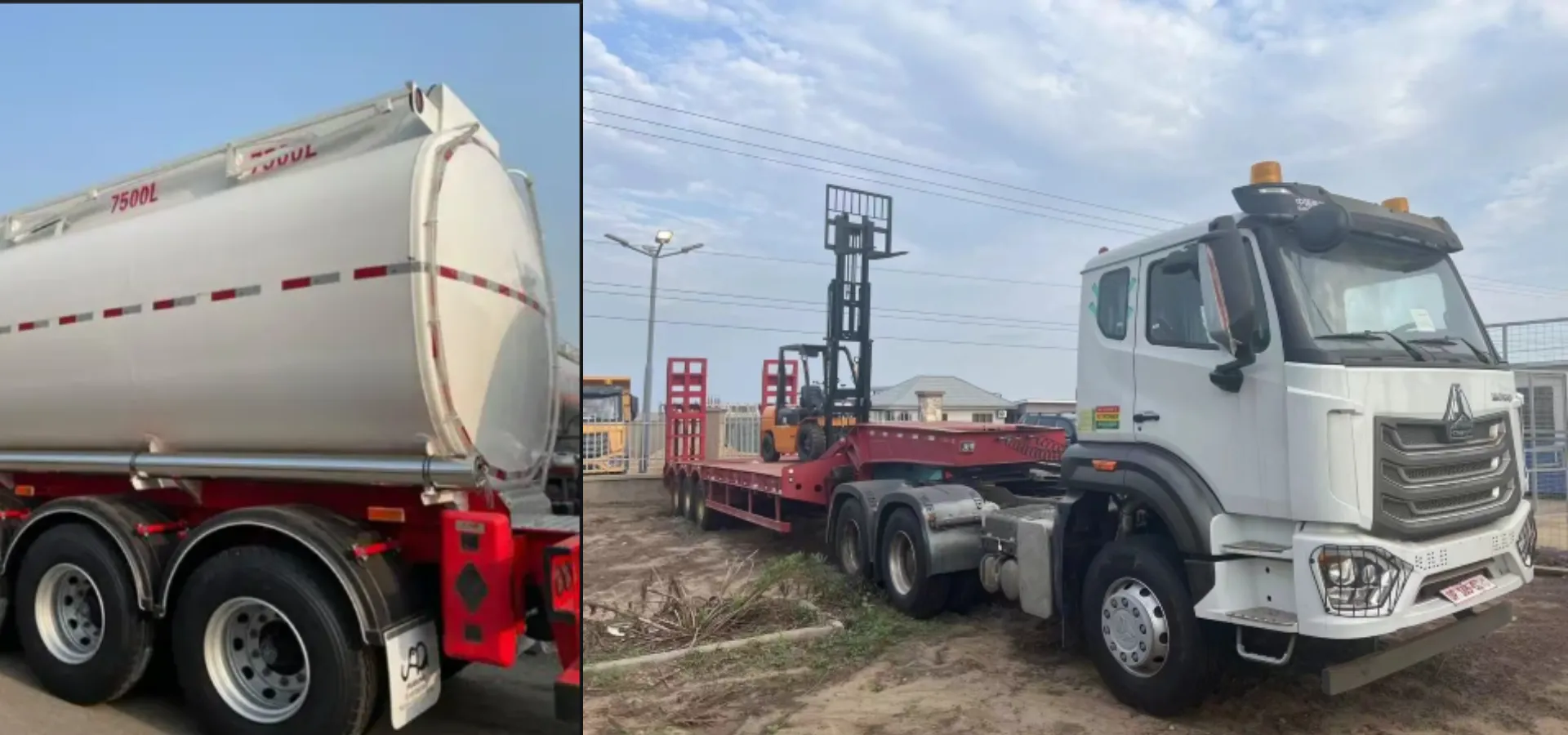
Semi Trailer Types We Supply
Eight trailer types cover bulk, palletized, machinery, container, vehicle, powder, and liquid cargo.
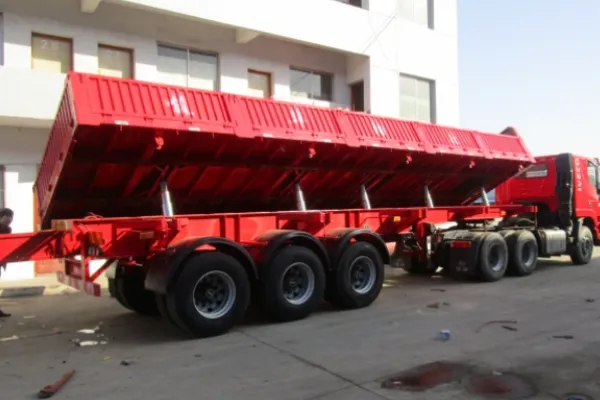
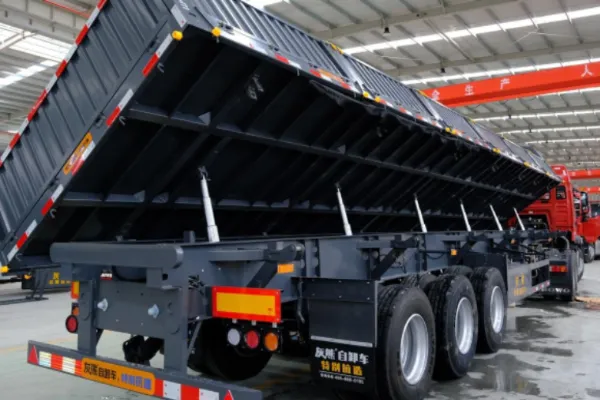
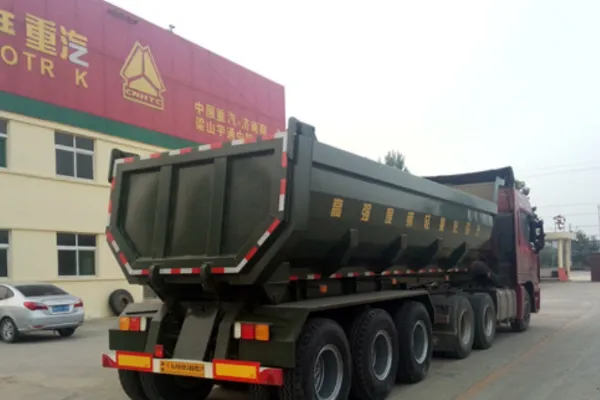
Side Dump Semi Trailer
Tips the body sideways to unload alongside a stockpile, conveyor, or narrow site road. Suits high-volume sand, gravel, aggregate, and ore.
Explore Side Dump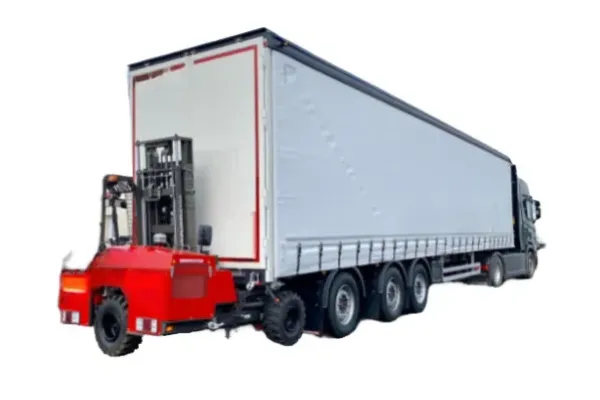
Curtain Side Semi Trailer
Sliding side curtains open the full length for fast forklift loading. Built for palletized and packaged freight in distribution and general cargo.
Explore Curtain Side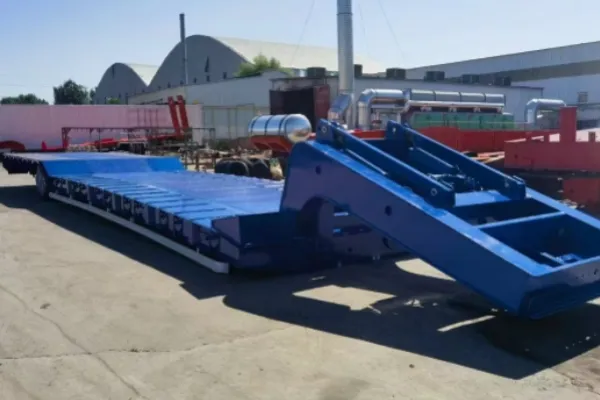
Low Bed Semi Trailer
Drops the deck close to the ground for tall machinery. Standard carrier for excavators and bulldozers, commonly in 3- or 4-axle builds.
Explore Low Bed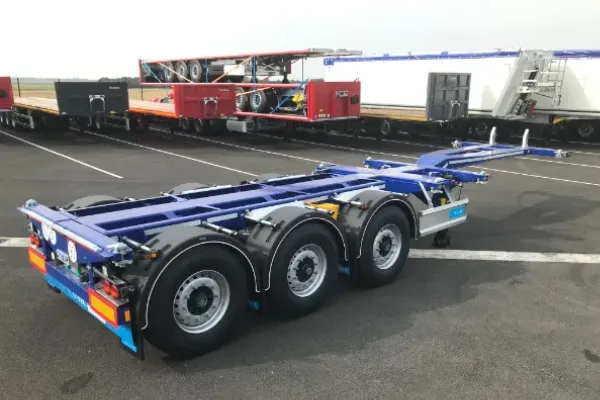
Container Skeleton Trailer
A bare chassis with twist locks holding a 20 ft, 40 ft, or 45 ft container. Lighter and cheaper than a full flatbed for port and intermodal work.
Explore Container Skeleton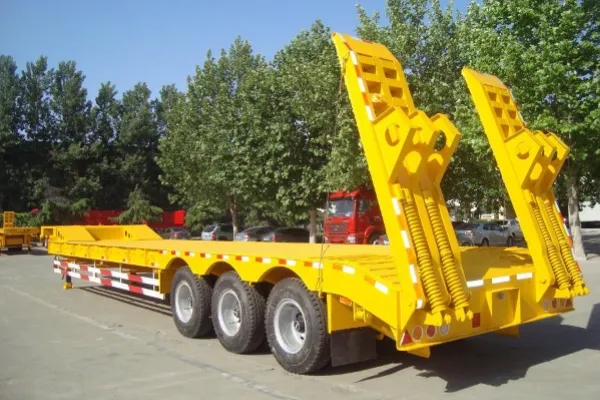
Car Hauler Semi Trailer
Stacks vehicles on two or more decks for bulk transport. Carries six to ten vehicles per trip depending on deck count and length.
Explore Car Hauler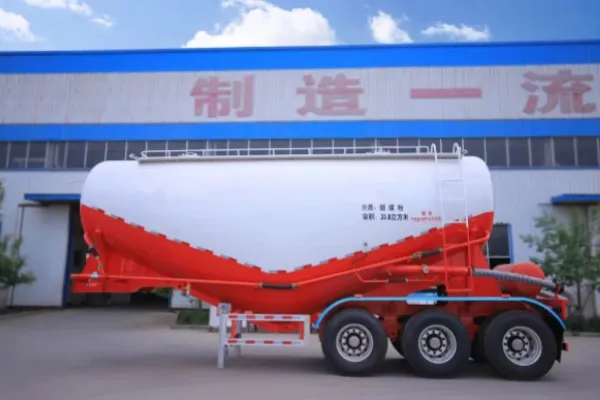
Cement Semi Trailer
A sealed tank for dry bulk powder — cement, fly ash, or lime — that discharges pneumatically under pressure without tipping.
Explore Cement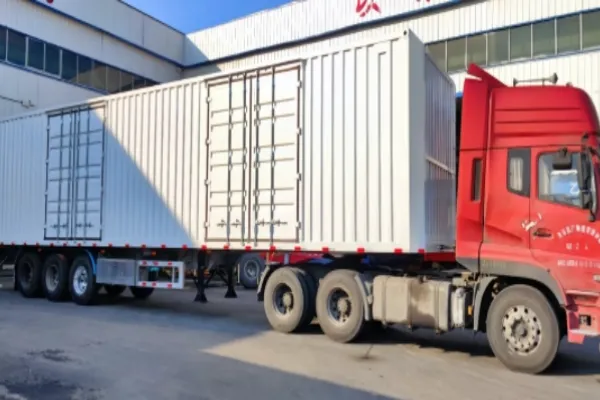
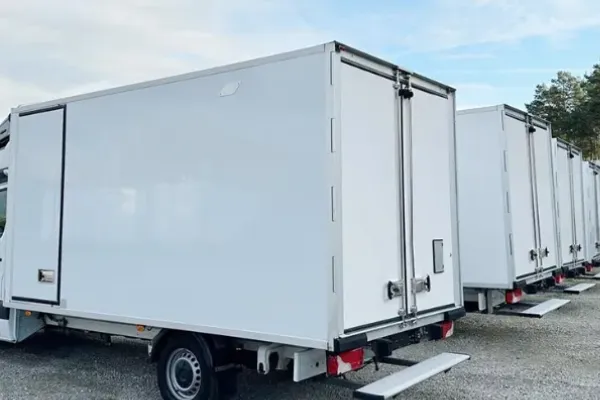
Box Semi Trailer
An enclosed dry van with solid walls, a roof, and rear doors. Keeps electronics, household goods, and palletized cargo dry and secure.
Explore Box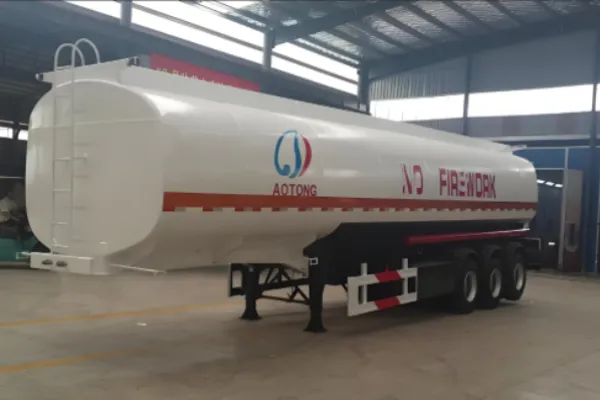
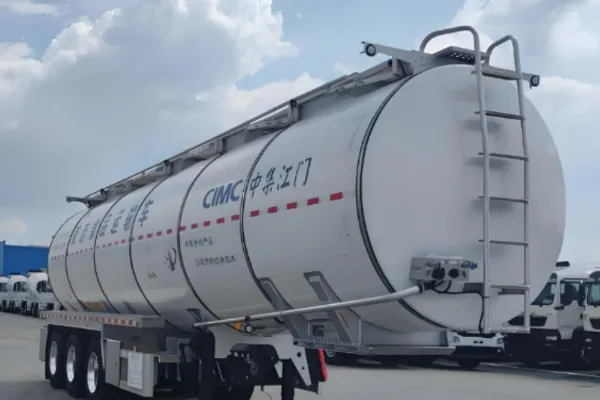
Tanker Semi Trailer
Carries fuel, oil, and other liquids in a cylindrical or compartmented tank. Capacity typically runs from about 30,000 to 45,000 liters.
Explore Tanker
NEED HELP CHOOSING?
Start with Your Cargo. We’ll Match the Trailer.
Tell us your cargo type, payload, axle count, and destination port. We’ll help you select a trailer and prepare a configured quotation.
- New and used options
- Pre-shipment inspection
- Export and shipping support
New vs Used Semi Trailers
The honest trade-off is capital cost against inspection risk. Both options follow the same pre-shipment inspection standard.
 NEW EQUIPMENT
New Semi Trailers
A factory-new unit arrives with a current specification, no hidden frame fatigue, and full documentation. The right choice for a long-life asset on demanding duty.
- Current specification and clean documentation
- No hidden frame fatigue or past repairs
- Consistent builds across your fleet
Choose new when
You prioritize long-term operation and exact specifications, with budget for a higher initial investment.
 INSPECTED USED EQUIPMENT
Used Semi Trailers
Lower the entry cost and pay back faster. Its value depends entirely on what inspection reveals — frame, axles, brakes, and seals checked before committing.
- Lower capital outlay than a comparable new unit
- Photos and video of the actual unit
- Written inspection report before shipment
Choose used when
You prioritize purchase cost or standby capacity, with condition and expected maintenance checked before committing.
Different Purchase Options. The Same Inspection Standard.
Frame and underbody for rust, cracks, and weld repairs; axles, suspension, and brakes for even wear; kingpin and landing gear for slop; floor, walls, and seals for water damage. Photos and video supplied before shipment.
Matching the Trailer to Your Tractor
A semi trailer is only half the combination. Payload, gradeability, and braking all depend on how the trailer and tractor work together.
How to Choose a Semi Trailer
Follow this order and the decision gets simpler. Each step narrows the next.
-
MATCH THE TYPE TO YOUR CARGO
Cargo Type First
Loose bulk points to side dump or cement; palletized freight to curtain side or box; machinery to low bed; containers to skeleton; vehicles to car hauler; liquids to tanker.
-
MATCH THE AXLE COUNT TO PAYLOAD AND LAW
Axle Count Second
Three axles covers most markets; four axles only where heavy 80–100 t work and the regulation justify it. Confirm the local axle-load limit before you commit.
-
MATCH THE SUSPENSION TO YOUR ROADS
Suspension Third
Leaf springs tolerate rough, unpaved haul roads with less to go wrong. Air suspension rides and protects cargo better on sealed roads but needs more maintenance and parts.
-
SPEC THE RUNNING GEAR YOU CAN SERVICE LOCALLY
Serviceable Running Gear
FUWA or BPW axles and WABCO braking are widely supported, which matters more than the badge when a part fails far from a dealer.
FUWA BPW WABCO -
SPECIFY THE TRAILER AND TRACTOR AS A PAIR
Specify the Pair
Confirm the kingpin, fifth wheel, and gross combination weight so the two units work together instead of fighting each other.
The right semi trailer is a specification decision before it is a price decision.
Semi Trailer Dimensions and Price Factors
Standard dimensions sit around 13 m long and 2.55 m wide, with height depending on type. The figures that actually matter are your market’s legal axle-load and dimension rules.
What Affects the Price
| Factor | How It Affects Cost |
|---|---|
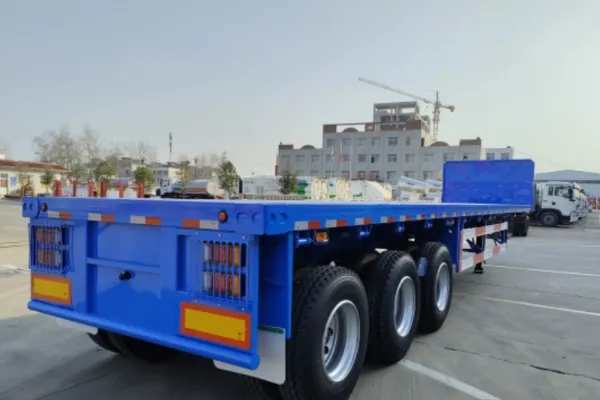
| Trailer Type | A tanker or low bed costs more than a flatbed or container skeleton. |
| Axle Count | More axles add cost: 4-axle above 3-axle, then 2-axle. |
| Steel Grade & Build | Reinforced decks and heavy-duty frames cost more than standard builds. |
| Running Gear | Axle brand (FUWA, BPW), braking system, and suspension choice shift price. |
| New or Used | Comparable used units generally cost less; actual condition matters. |
| Destination & Shipping | Route, transport method, and port handling affect landed cost. |
A new 3-axle flatbed or container semi trailer typically lists from roughly USD 8,500 to USD 14,000. A heavy 4-axle low bed commonly starts around USD 15,000. Final price is confirmed on quotation.
Typical Payload by Trailer Type
| Trailer Type | Typical Payload |
|---|---|
| Side Dump | ~40–60 t |
| Curtain Side | ~25–35 t |
| Low Bed | ~40–80 t |
| Container Skeleton | ~30–40 t |
| Cement | ~35–50 t |
| Tanker | ~30,000–45,000 L |
Confirm Capacity Against Local Law
Payload depends on the specific model, vehicle weight, axle ratings, and the legal limits in your destination market. Confirm before ordering.
- Permitted axle loads in your country
- Gross combination weight limits
- Overall dimension rules
Tell us the destination country and the routes you run, and we will match the axle count, dimensions, and running gear to what is legal and serviceable.
YOUR QUESTIONS, ANSWERED
Semi Trailer FAQ
Find answers about semi trailer types, axle counts, payload, pricing, and shipping.
Discuss Your Requirements1 What is the difference between a semi trailer and a full trailer?
A semi trailer carries weight on its own rear axles and rests its front on the tractor through a kingpin and fifth wheel, while a full trailer has axles at both ends and no weight on the towing unit. Semi trailers are the standard for freight and heavy haulage because they couple and uncouple quickly and transfer load to the tractor’s driven axles for better traction.
2 How much does a semi trailer cost?
A new three-axle flatbed or container semi trailer typically lists from roughly USD 8,500 to USD 14,000, while a heavy four-axle low bed commonly starts around USD 15,000, depending on type, axle count, and running gear. Request a quotation for a configured offer — typically within about 24 hours.
3 How many axles should a semi trailer have?
Three axles is the standard for most cargo and markets, matching the common 13 t-per-axle limit. Choose two axles for lighter, high-volume freight, and four axles only for heavy 80–100 t low bed or bulk work where the regulation justifies the extra weight and cost.
4 What trailer do I need to transport an excavator?
A low bed semi trailer is the standard carrier for an excavator or bulldozer, with a dropped deck for height clearance and a three- or four-axle build rated to the machine’s weight. Match the deck length and gooseneck to the machine’s track width and weight before you commit.
5 Which semi trailer is best for fuel transport?
A tanker semi trailer built and certified for fuel is the correct unit, with capacity typically between 30,000 and 45,000 liters. The tank’s certification, compartmenting, valves, and safety fittings matter more than the brand, because fuel cargo carries its own compliance rules.
6 Can I ship a semi trailer in a container?
Some semi trailers — container skeleton and flatbed units in particular — can be shipped as cargo, while a large low bed or tanker typically moves by breakbulk or Ro-Ro vessel. The method depends on the trailer’s dimensions and the destination port, and we confirm the approach with your quotation.
START WITH YOUR CARGO
Ready to Source Your Semi Trailer?
The right semi trailer is a specification decision before it is a price decision. Start with the cargo, match the axle count and suspension to your roads, and specify the trailer and tractor as a pair.
Review the actual trailer on photo and video
and receive the inspection report before shipment.
ONE CONFIGURED OFFER
Know What Your Quote Includes
Trailer type, axle count, running gear, preparation, and transportation to your port.
Request a Quotation Typically within about 24 hours- Configuration
- Inspection
- Export Documentation
- Shipping to Your Port