
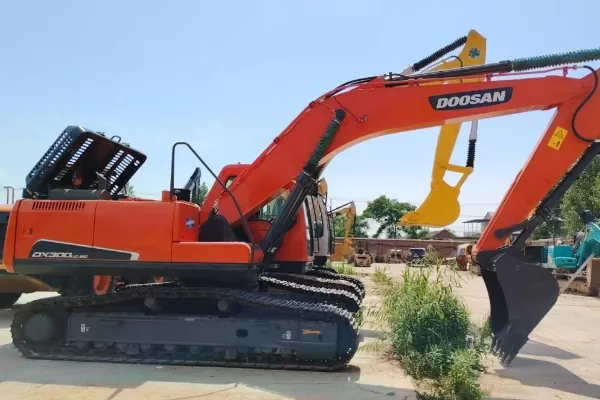
DOOSAN DX300LC-9C
30-TON CRAWLER EXCAVATOR
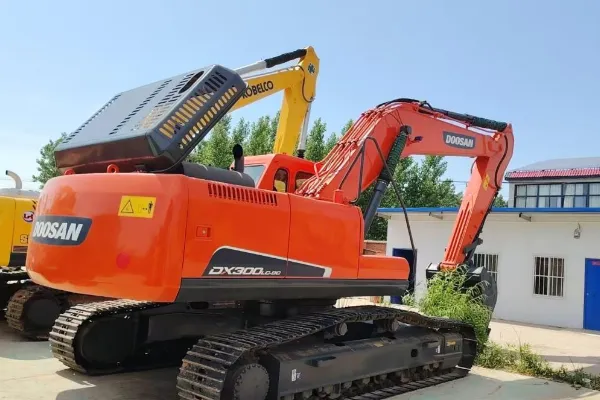
Inspection photos, video, and report before payment
USED EQUIPMENT · VERIFIED CONDITION
Doosan DX300LC-9C Excavator
A 30-Ton Heavy Digger for Mining, Quarrying & Heavy Earthmoving
A 30-tonne-class long-carriage crawler excavator. In the export market, it is almost always sourced as a used machine, because the DX-series is the current Doosan line and buyers shop the second-hand market for production value.
- 30-Ton Class
- Long-carriage crawler
- DX-Series
- Current Doosan line
- Used Market
- Production value focus
- Condition
- Hours & hydraulics matter
Reference specifications from the supplied overview. Confirm the serial number, engine, attachments, and actual condition in your unit-specific quotation.
Doosan DX300LC-9C Excavator Specifications
The table below gives representative specifications for the Doosan DX300LC-9C. Because used machines vary with age, hours, and maintenance, the exact figures are confirmed per unit against the machine you are buying, not ordered from a fixed sheet.
Operating Weight, Engine, and Bucket
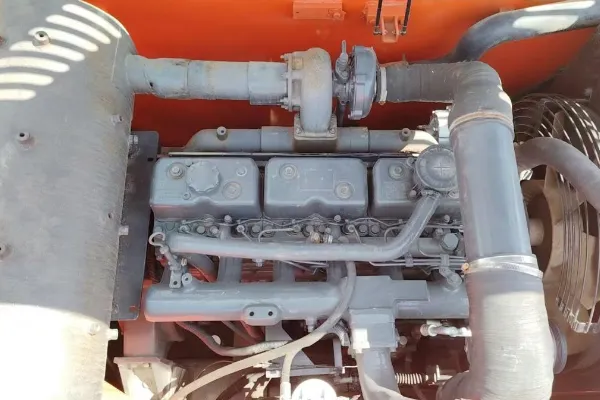
The DX300LC-9C runs at roughly 29.5 to 30.5 tonnes operating weight, which is what puts it in the 30-tonne class. The engine is a Doosan DL08 diesel in the 200 to 220 HP range. The DL08 is an inline-six with a deep parts network across the used market, and on a production machine that matters more than the headline rating: an excavator that earns by the hour has to keep running, and a widely supported engine is easier to keep running in the field.
Bucket capacity runs roughly 1.4 to 1.75 m³ depending on the attachment and the material. On a 30-tonne excavator, the bucket choice changes more than the headline spec suggests: a rock bucket with a heavy-duty shell and longer teeth digs and breaks harder ground, while a general-purpose bucket shifts more loose material per pass. The right bucket is matched to your material, not picked from a chart.
Dig Depth, Carriage, and Stability
The DX300LC-9C digs to roughly 7,000 mm, enough for deep trenching, quarry benches, and bulk excavation without stepping up to a 40-tonne machine. The LC long carriage is the detail that makes the machine predictable under load: the longer undercarriage spreads the weight, so the excavator lifts and swings a full bucket without lifting the rear off the ground.
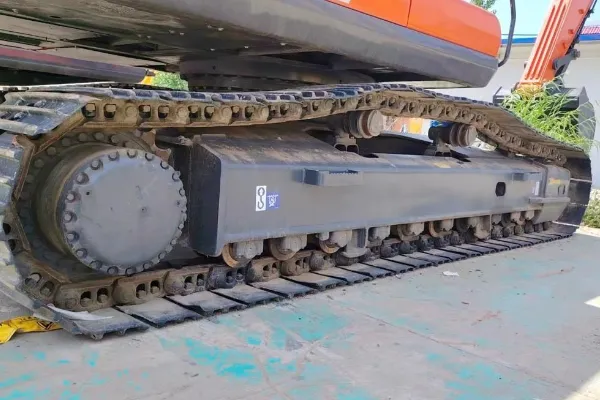
Steel tracks are standard on a machine of this size, because the ground it works on — rock, spoil, and hard-packed haul roads — would tear rubber tracks apart. Track condition and the undercarriage are two of the biggest factors in a used machine’s remaining life, which is exactly why the next section matters.
Technical Specifications
| Specification | 30-tonne class (confirm per unit) |
|---|---|
| Operating weight | roughly 29.5–30.5 t |
| Engine | Doosan DL08 diesel, roughly 200–220 HP |
| Bucket capacity | roughly 1.4–1.75 m³ |
| Max dig depth | roughly 7,000 mm |
| Carriage | long carriage (LC) |
| Tracks | steel |
| Hydraulic system | axial piston pumps, pilot controls |
Confirm the specifications of the actual unit.
Figures vary with configuration, region, and model year, and marketplace listings may conflict. Use this table as a reference—not a serial-specific specification sheet. Verify the engine, attachments, and measurements before buying.
Need a specification sheet for a particular machine? Send the serial number or your requirements. We typically respond with a unit-specific offer within about 24 hours.
Request a QuotationWhat a 30-Ton Doosan DX300LC-9C Is Good For
Built for mining, quarrying, and heavy earthmoving. Sized to your material and production targets.
What the Doosan DX300LC-9C Excavator Is
A 30-tonne-class crawler excavator built on a legacy Doosan platform. Understanding the model name explains its design purpose and where it fits in modern fleets.
BRAND HERITAGE
A Legacy Doosan Model
The DX300LC-9C was built by Doosan — the Korean manufacturer that started its construction-equipment line as Daewoo Heavy Industries and later became Doosan Infracore, now part of HD Hyundai.
- Built on a proven, widely supported Doosan platform.
- Brand renamed to Develon in 2023 under HD Hyundai.
- Normally bought on the used market today.
Watch for
Confirm whether the machine is branded Doosan or Develon,
as it affects the exact parts catalog and dealer support.
LC CONFIGURATION
Long Carriage (LC) Stability
“LC” stands for long carriage, meaning the undercarriage is longer than the standard build. This extra track length is crucial for a 30-tonne production machine.
- Lowers ground pressure on soft, uneven ground.
- Provides a more stable base when lifting and swinging.
- Prevents the machine from tipping with a full bucket.
Watch for
Inspect the longer undercarriage frame for cracks or
severe wear on the track rollers and idlers.
-9C EMISSION BUILD
Stage III / Tier 3 Configuration
The “-9C” denotes the Series 9 emission build. This is a Stage III / Tier 3 configuration, common in China and emerging markets.
- Built for markets with moderate emission rules.
- Uses a proven mechanical engine for easy repair.
- Wide parts support without complex aftertreatment systems.
Watch for
Confirm that your local regulations allow importing and
registering a Stage III / Tier 3 machine.
Inspect the Actual Unit, Not Just a Listing Photo
Review photos, video, and a written inspection report of the exact machine before shipment.
Buying a Used Doosan DX300LC-9C & What to Check
This is the section most listings leave out, and on a 30-tonne machine it is worth more money than on any mini excavator. The wear items on a production excavator are expensive, and a missed fault is a five-figure repair in your first season.
Engine Hours & Undercarriage
Engine hours are the first number buyers ask for, but hours alone can mislead. A machine with low hours and no service records is a bigger risk than a high-hour machine with a documented maintenance history. What matters is how the hours were put on: a machine that idled in a quarry for years wears differently from one that worked steadily and was serviced on schedule.
| Inspection Area | What to Check Physical wear & records | Hidden Risk Why it matters |
|---|---|---|
| Undercarriage | Track wear, sprockets, rollers, idlers, and tension. | An undercarriage replacement on a 30-tonne machine is a major job. A tired undercarriage is worth far less, whatever the engine hours say. |
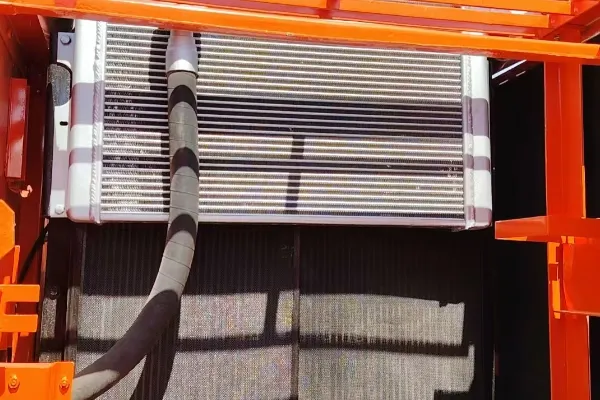
| Hydraulics | Leaks, cylinder rod scoring, and play in pins/bushings. | The most expensive repair on any excavator. A pressure test and slew-motor check reveal wear a photo never shows. |
| Boom & Frame | Weld repairs on the boom, arm, and undercarriage frame. | A repair is not automatically bad, but it tells you the machine has done hard work and requires expert inspection. |
On a machine that has spent its life breaking rock, the pump and the main control valve carry real fatigue. That is precisely what Amigo Truck’s inspection is for: the walkaround, the pressure test, and the video evidence before you pay.
CONDITION OVER HOURS
LOW HOURS
VERIFIED WEAR
A documented history outweighs a low meter reading.
What the Meter Cannot Tell You
A machine with low hours and no service records is a bigger risk than a high-hour machine with a documented maintenance history. The wear items on a 30-tonne excavator are expensive, and a missed fault is a five-figure repair.
We check the undercarriage for track wear and tension, inspect the hydraulic system for rod scoring and leaks, and look for weld repairs on the boom and arm. Get the real condition, not just the listing.
DX300LC-9C vs DX225 — Which Doosan Excavator Fits Your Job?
Buyers often ask us to choose between the DX300LC-9C and the smaller DX225, because the two are the most common large Doosan excavators on the used market.
SIZE CLASS COMPARISON
30-Tonne vs 22-Tonne
Choose the DX300LC-9C for serious production work, or the DX225 for lower running costs and tighter sites.
Key Differences at a Glance
Compare the specifications to see which machine matches your production targets and site conditions.
- Role: DX300 for mining, quarrying, bulk earthmoving. DX225 for medium construction, trenching.
- Dig depth: DX300 roughly 7,000 mm. DX225 roughly 6,600 mm.
- Bucket: DX300 roughly 1.4–1.75 m³. DX225 roughly 0.8–1.2 m³.
- Best fit: DX300 for high-production, heavy material. DX225 for lower running cost, tighter sites.
Which one to choose?
Choose the DX300LC-9C when you need the breakout force, reach, and bucket capacity for serious production work — quarry benches, mining support, and bulk earthmoving. Choose the DX225 when the material is lighter, the site is tighter, or you want a lower fuel and transport bill.
Compare Configured Offers for Both Models
Send your job details and destination port. We will recommend the right Doosan excavator for your operation.
Buying a DX300LC-9C from China
A used machine makes the cross-border purchase more important, not less. The unit you pay for has to be the unit that arrives at your port, and its condition has to be what you were told — and on a 30-tonne machine, that is a large sum riding on the inspection.
See the Unit Before You Pay
Amigo Truck sources used Doosan DX300LC-9C excavators and applies a 100% pre-shipment inspection to every machine before it ships. You receive photos, videos, and an inspection report before the machine is loaded, so you review the actual unit rather than a stock image — and raise any question while it is still in the yard.
- Engine hours & undercarriage
- Tracks & hydraulic system
- Boom, arm, pins & bushings
- Slew, cab & ordered attachments
Evidence before shipment
Shipping from China to Your Port
From there we handle the export paperwork and coordinate shipping by container, Ro-Ro, or breakbulk to your destination port. A 30-tonne excavator ships as an oversize unit, so the route and the lifting plan are confirmed before the machine moves.
- Export Documents
- Commercial invoice, bill of lading, certificate of origin, and packing list.
- Shipment Planning
- Oversize unit routing and lifting plan confirmed.
Plan Spare Parts Before the Machine Arrives
After delivery, after-sales support and spare parts for the engine, hydraulics, and undercarriage keep the machine working instead of sitting idle waiting for a component.
FREQUENTLY ASKED QUESTIONS
Doosan DX300LC-9C Excavator FAQ
Answers about weight, digging performance, used pricing, engines, and model comparison.
Ask About a Specific Unit1 What is the Doosan DX300LC-9C excavator?
The Doosan DX300LC-9C excavator is a 30-tonne-class long-carriage crawler excavator from Doosan (formerly Daewoo), used for mining, quarrying, and heavy earthmoving. It is a DX-series model, normally bought as a used machine on the export market.
2 What does “LC” mean on a Doosan excavator?
“LC” means long carriage. The undercarriage is longer than the standard build, which lowers ground pressure on soft ground and gives the excavator a more stable base when lifting and swinging a full bucket. The “-9C” suffix is the Series 9 Stage III / Tier 3 emission build.
3 How much does a Doosan DX300LC-9C excavator cost?
There is no fixed price, because a used machine is priced by its age, engine hours, undercarriage condition, attachments, and preparation, plus freight to your destination port. Price is quoted per machine and per route — request a quotation with your material, production target, and destination, and we will come back with a concrete figure.
4 What should I check when buying a used Doosan DX300LC-9C?
Check the engine hours against the service records, the undercarriage (tracks, sprockets, rollers, idlers), and the hydraulic system (leaks, cylinder scoring, pin and bushing play). A pressure test and a walkaround reveal wear a photo cannot. This is exactly what Amigo Truck’s pre-shipment inspection covers.
5 What is the difference between the DX300LC-9C and the DX225?
The DX300LC-9C is a 30-tonne machine with more breakout force, reach, and bucket capacity for mining, quarrying, and bulk earthmoving, while the DX225 is a 22-tonne machine for medium construction and tighter sites. Choose the DX300LC-9C for high-production work; choose the DX225 for lower running cost.
6 Can I buy a Doosan DX300LC-9C excavator from China?
Yes. Amigo Truck supplies the Doosan DX300LC-9C as a used machine with 100% pre-shipment inspection, export documentation, shipping to your destination port, and parts support after delivery. Start with a quotation request and your project details.
INSPECT THE ACTUAL UNIT
Get a Verified Doosan DX300LC-9C, Inspected Before It Ships
The Doosan DX300LC-9C excavator is a condition decision before it is a price decision. Get the size class, the undercarriage, and the hydraulic condition right, and the rest follows — and on a 30-tonne production machine, that means seeing the unit on video before anything ships.
- Size class confirmation
- Undercarriage condition
- Hydraulic system check
Amigo Truck has supplied heavy equipment and trucks to more than 100 countries over 15+ years, serving over 5,000 international customers. Share your project details and destination port.
A Quote for a Specific Unit
Photos, video, and inspection report
Quotation typically within about 24 hours